Loading Academy course information…

Explore learning areas
Build practical skills in engineering, intelligent systems and research. Find course requirements that fit your next step.
Explore published coursesPaid checkout requires a configured payment provider. Course enrollment and lesson access follow the saved course settings; schedules and certification require confirmation.
Illustrative course previews — not scheduled programs or open enrollment. Images are illustrative; pathways are suggestions, not accredited qualifications.
24 illustrative previews · Search and filters apply to the available preview collection.
Explore current skills
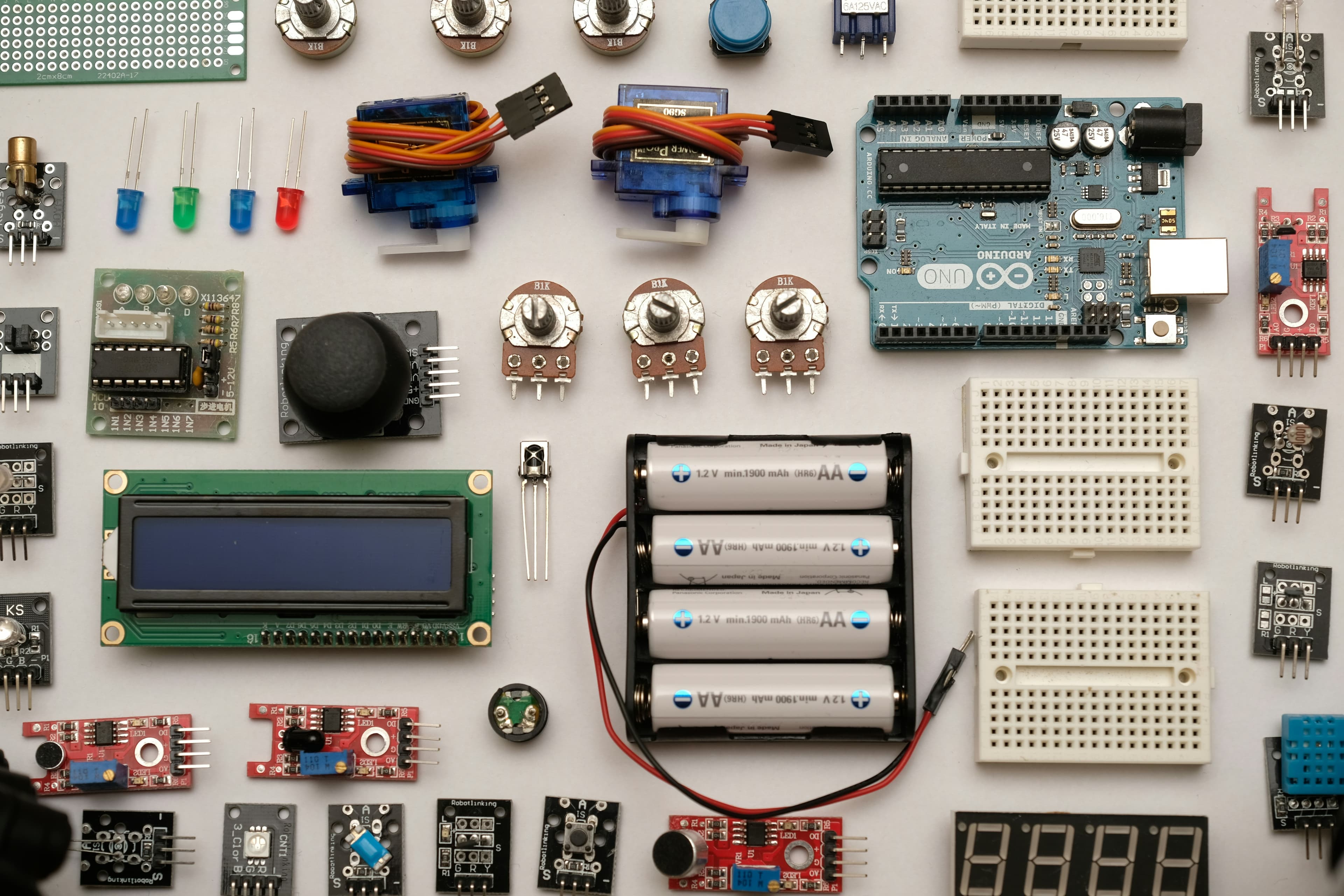
Robotics & IoT Foundations
Explore safe low-voltage circuits, sensor readings and connected robot prototypes through a proposed introductory pathway.
৳1,490৳2,50040% offIllustrative course material · Purchase unavailable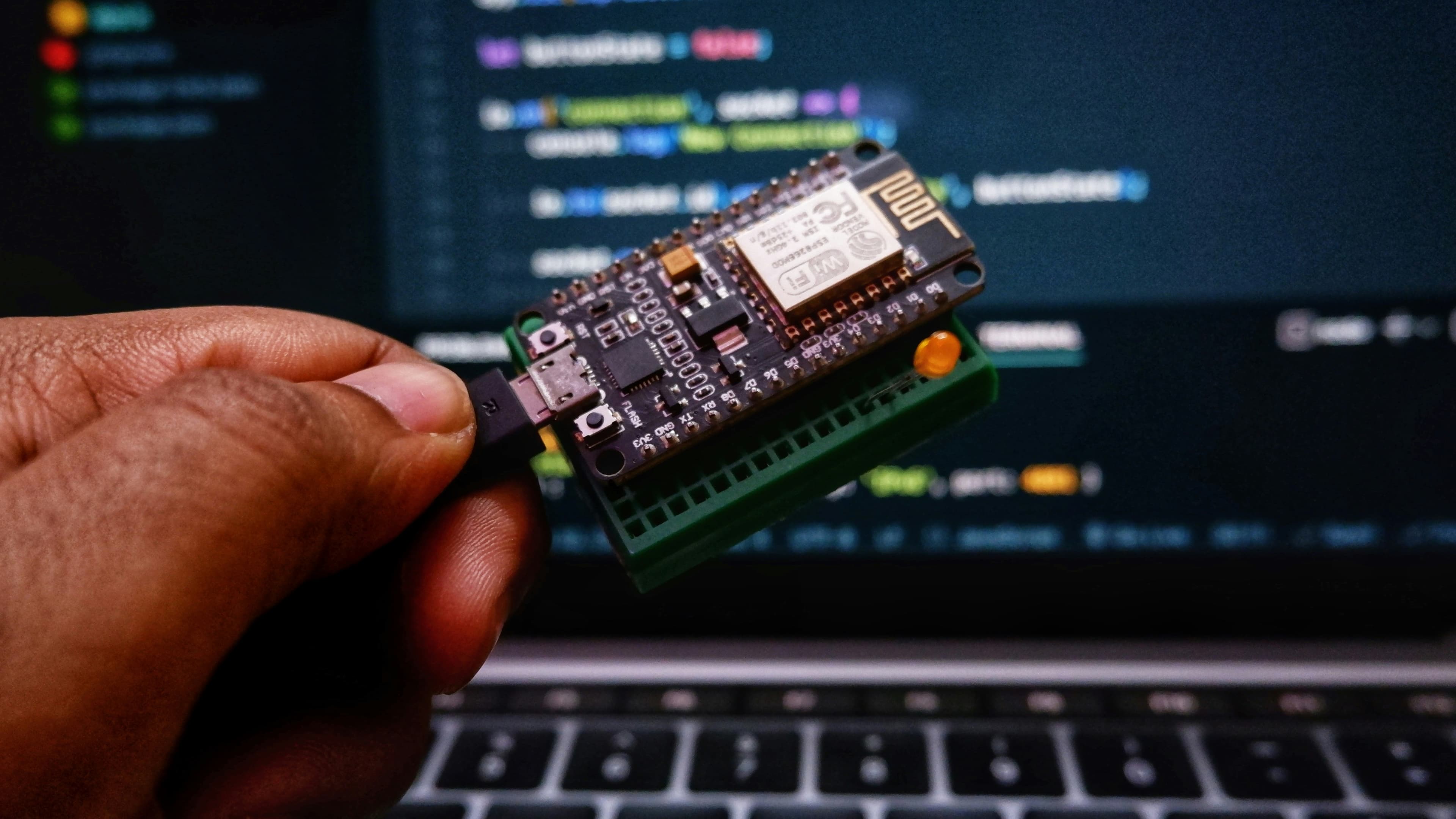
Embedded Systems with ESP32
Explore structured ESP32 firmware, device interfaces and connectivity with repeatable debugging and integration practices.
৳2,990৳5,00040% offIllustrative course material · Purchase unavailableROS2 & Autonomous Robotics
Explore ROS2 communication, simulation and bounded navigation workflows before considering any physical autonomous system.
৳2,990৳5,00040% offIllustrative course material · Purchase unavailableApplied AI & Computer Vision
Explore an image-to-model workflow with data permissions, reproducible baselines and transparent evaluation of errors.
৳2,990৳5,00040% offIllustrative course material · Purchase unavailable
Research Engineering & Scientific Computing
Explore reproducible numerical experiments, computational workflows and careful interpretation of scientific observations.
৳4,990৳8,00038% offIllustrative course material · Purchase unavailable
Research Methodology for CSE
Explore how to frame a computing research question, review evidence and plan an ethical, reproducible evaluation.
৳1,490৳2,50040% offIllustrative course material · Purchase unavailableCybersecurity & Network Defense Foundations
Explore network behavior, access controls and defensive monitoring using owned or explicitly authorized lab environments.
৳1,490৳2,50040% offIllustrative course material · Purchase unavailableEthical Hacking in Authorized Labs
Plan bounded security assessments, validate findings and recommend remediation entirely within owned or explicitly authorized practice labs.
৳2,990৳5,00040% offIllustrative course material · Purchase unavailableAI Application Security & Privacy
Explore AI application threat modeling, prompt-injection boundaries, data minimization and permission controls with synthetic data in authorized labs.
৳2,990৳5,00040% offIllustrative course material · Purchase unavailableDigital Marketing, SEO & Content Strategy
Plan useful content, accessible web pages and measurable SEO experiments without promising search rankings or campaign results.
৳1,490৳2,50040% offIllustrative course material · Purchase unavailableMarketing Analytics & Campaign Automation
Explore campaign measurement, synthetic event analysis and consent-aware automation with clear attribution and reporting limits.
৳2,990৳5,00040% offIllustrative course material · Purchase unavailableBlockchain & Smart Contract Foundations
Explore ledger models, contract state and repeatable smart-contract tests on a local development chain, with no investment or return claims.
৳1,490৳2,50040% offIllustrative course material · Purchase unavailableFull-Stack Web Development
Build accessible web interfaces, validated APIs and reliable data workflows with practical testing and deployment planning.
৳2,990৳5,00040% offIllustrative course material · Purchase unavailableAndroid Development with Kotlin & Jetpack Compose
Explore Kotlin, declarative Android interfaces and offline-friendly app workflows with accessible controls and clear state handling.
৳1,490৳2,50040% offIllustrative course material · Purchase unavailableSoftware Testing & API Quality Engineering
Design risk-based tests, validate API contracts and investigate failures with repeatable fixtures rather than implementation-mirroring checks.
৳2,990৳5,00040% offIllustrative course material · Purchase unavailableAgentic AI Application Engineering
Design agent workflows with explicit state, bounded tool access, evaluation and human review instead of unrestricted autonomous actions.
৳2,990৳5,00040% offIllustrative course material · Purchase unavailableAI Agents, Tools & MCP Integration
Explore tool schemas, MCP client/server boundaries and reliable agent integration with local services and least-privilege access.
৳2,990৳5,00040% offIllustrative course material · Purchase unavailableRAG & Knowledge-Based Assistants
Build retrieval-augmented assistants with permitted documents, transparent citations, uncertainty handling and reproducible retrieval evaluation.
৳2,990৳5,00040% offIllustrative course material · Purchase unavailableLLM Evaluation, Reliability & Observability
Design repeatable LLM evaluations, failure-aware application behavior and privacy-conscious observability with clear quality and resource tradeoffs.
৳4,990৳8,00038% offIllustrative course material · Purchase unavailablePractical Generative AI & Prompt Engineering
Explore clear task instructions, structured outputs and evidence checks for generative AI using non-sensitive examples and explicit human review.
৳1,490৳2,50040% offIllustrative course material · Purchase unavailableWorkflow Automation with n8n & APIs
Explore n8n workflows, webhooks and API connections with synthetic data, explicit approvals and safe retry behavior.
৳1,490৳2,50040% offIllustrative course material · Purchase unavailablePython for Business Automation
Automate file processing, data checks and report preparation with Python while retaining review, audit logs and recoverable operations.
৳2,990৳5,00040% offIllustrative course material · Purchase unavailableCloud Deployment, Docker & CI/CD
Explore Docker packaging, CI/CD checks and cloud deployment planning with least-privilege access, observable releases and rollback criteria.
৳2,990৳5,00040% offIllustrative course material · Purchase unavailableData Engineering with Python & SQL
Build repeatable Python and SQL pipelines with schema checks, incremental processing and transparent data-quality reporting.
৳2,990৳5,00040% offIllustrative course material · Purchase unavailable
Discover skills and courses
Browse the available collection by learning area and starting level.
Explore course previews
Robotics & IoT Foundations
Explore safe low-voltage circuits, sensor readings and connected robot prototypes through a proposed introductory pathway.
৳1,490৳2,50040% offIllustrative course material · Purchase unavailableEmbedded Systems with ESP32
Explore structured ESP32 firmware, device interfaces and connectivity with repeatable debugging and integration practices.
৳2,990৳5,00040% offIllustrative course material · Purchase unavailableROS2 & Autonomous Robotics
Explore ROS2 communication, simulation and bounded navigation workflows before considering any physical autonomous system.
৳2,990৳5,00040% offIllustrative course material · Purchase unavailableApplied AI & Computer Vision
Explore an image-to-model workflow with data permissions, reproducible baselines and transparent evaluation of errors.
৳2,990৳5,00040% offIllustrative course material · Purchase unavailableResearch Engineering & Scientific Computing
Explore reproducible numerical experiments, computational workflows and careful interpretation of scientific observations.
৳4,990৳8,00038% offIllustrative course material · Purchase unavailableResearch Methodology for CSE
Explore how to frame a computing research question, review evidence and plan an ethical, reproducible evaluation.
৳1,490৳2,50040% offIllustrative course material · Purchase unavailableCybersecurity & Network Defense Foundations
Explore network behavior, access controls and defensive monitoring using owned or explicitly authorized lab environments.
৳1,490৳2,50040% offIllustrative course material · Purchase unavailableEthical Hacking in Authorized Labs
Plan bounded security assessments, validate findings and recommend remediation entirely within owned or explicitly authorized practice labs.
৳2,990৳5,00040% offIllustrative course material · Purchase unavailableAI Application Security & Privacy
Explore AI application threat modeling, prompt-injection boundaries, data minimization and permission controls with synthetic data in authorized labs.
৳2,990৳5,00040% offIllustrative course material · Purchase unavailableDigital Marketing, SEO & Content Strategy
Plan useful content, accessible web pages and measurable SEO experiments without promising search rankings or campaign results.
৳1,490৳2,50040% offIllustrative course material · Purchase unavailableMarketing Analytics & Campaign Automation
Explore campaign measurement, synthetic event analysis and consent-aware automation with clear attribution and reporting limits.
৳2,990৳5,00040% offIllustrative course material · Purchase unavailableBlockchain & Smart Contract Foundations
Explore ledger models, contract state and repeatable smart-contract tests on a local development chain, with no investment or return claims.
৳1,490৳2,50040% offIllustrative course material · Purchase unavailableFull-Stack Web Development
Build accessible web interfaces, validated APIs and reliable data workflows with practical testing and deployment planning.
৳2,990৳5,00040% offIllustrative course material · Purchase unavailableAndroid Development with Kotlin & Jetpack Compose
Explore Kotlin, declarative Android interfaces and offline-friendly app workflows with accessible controls and clear state handling.
৳1,490৳2,50040% offIllustrative course material · Purchase unavailableSoftware Testing & API Quality Engineering
Design risk-based tests, validate API contracts and investigate failures with repeatable fixtures rather than implementation-mirroring checks.
৳2,990৳5,00040% offIllustrative course material · Purchase unavailableAgentic AI Application Engineering
Design agent workflows with explicit state, bounded tool access, evaluation and human review instead of unrestricted autonomous actions.
৳2,990৳5,00040% offIllustrative course material · Purchase unavailableAI Agents, Tools & MCP Integration
Explore tool schemas, MCP client/server boundaries and reliable agent integration with local services and least-privilege access.
৳2,990৳5,00040% offIllustrative course material · Purchase unavailableRAG & Knowledge-Based Assistants
Build retrieval-augmented assistants with permitted documents, transparent citations, uncertainty handling and reproducible retrieval evaluation.
৳2,990৳5,00040% offIllustrative course material · Purchase unavailableLLM Evaluation, Reliability & Observability
Design repeatable LLM evaluations, failure-aware application behavior and privacy-conscious observability with clear quality and resource tradeoffs.
৳4,990৳8,00038% offIllustrative course material · Purchase unavailablePractical Generative AI & Prompt Engineering
Explore clear task instructions, structured outputs and evidence checks for generative AI using non-sensitive examples and explicit human review.
৳1,490৳2,50040% offIllustrative course material · Purchase unavailableWorkflow Automation with n8n & APIs
Explore n8n workflows, webhooks and API connections with synthetic data, explicit approvals and safe retry behavior.
৳1,490৳2,50040% offIllustrative course material · Purchase unavailablePython for Business Automation
Automate file processing, data checks and report preparation with Python while retaining review, audit logs and recoverable operations.
৳2,990৳5,00040% offIllustrative course material · Purchase unavailableCloud Deployment, Docker & CI/CD
Explore Docker packaging, CI/CD checks and cloud deployment planning with least-privilege access, observable releases and rollback criteria.
৳2,990৳5,00040% offIllustrative course material · Purchase unavailableData Engineering with Python & SQL
Build repeatable Python and SQL pipelines with schema checks, incremental processing and transparent data-quality reporting.
৳2,990৳5,00040% offIllustrative course material · Purchase unavailable
Learner perspectives
Illustrative learner goals — not testimonials or verified learner outcomes.
“I want to build an AI workflow with clear tool boundaries and an evaluation plan.”
Explore agent engineering
Illustrative learner persona
AI learner
Agent workflows & evaluation
“I want to turn an app idea into accessible screens and a reliable data flow.”
Explore application development
Illustrative learner persona
Software learner
Accessible apps & reliable APIs
“I want to understand defensive controls through an owned or explicitly authorized lab.”
Explore defensive securityIllustrative learner persona
Cybersecurity learner
Authorized labs & network defense
“I want to automate a repeatable task with validation, safe retries and human review.”
Explore practical automationIllustrative learner persona
Automation learner
Safe workflows & human review
Career pathways
Suggested illustrative pathways, not accredited qualifications or employment guarantees.
AI & Agent Engineering
Plan bounded assistants, evidence-grounded retrieval and repeatable model evaluation.
Explore AI & Agents coursesExplore AI & Vision coursesSoftware & Android Development
Connect accessible interfaces, application state and tested APIs in a practical development pathway.
Explore Software & Mobile coursesCybersecurity & Cloud
Explore authorized defensive labs, secure application boundaries and reproducible deployment planning.
Explore Cybersecurity coursesExplore Cloud & Data courses
Explore skills
Security & Cloud
Marketing & Automation
FEATURED AI LEARNING COLLECTION
Learn AI with Techyfellow
Explore generative AI, retrieval-grounded assistants, bounded agents and reliability evaluation in a practical learning plan.
Illustrative course pathway — not a scheduled program or certificate.
Explore AI coursesExplore AI course previews
Agentic AI Application Engineering
Design agent workflows with explicit state, bounded tool access, evaluation and human review instead of unrestricted autonomous actions.
৳2,990৳5,00040% offIllustrative course material · Purchase unavailableAI Agents, Tools & MCP Integration
Explore tool schemas, MCP client/server boundaries and reliable agent integration with local services and least-privilege access.
৳2,990৳5,00040% offIllustrative course material · Purchase unavailableRAG & Knowledge-Based Assistants
Build retrieval-augmented assistants with permitted documents, transparent citations, uncertainty handling and reproducible retrieval evaluation.
৳2,990৳5,00040% offIllustrative course material · Purchase unavailableLLM Evaluation, Reliability & Observability
Design repeatable LLM evaluations, failure-aware application behavior and privacy-conscious observability with clear quality and resource tradeoffs.
৳4,990৳8,00038% offIllustrative course material · Purchase unavailablePractical Generative AI & Prompt Engineering
Explore clear task instructions, structured outputs and evidence checks for generative AI using non-sensitive examples and explicit human review.
৳1,490৳2,50040% offIllustrative course material · Purchase unavailable