Robotics Engineering & Hardware Prototyping
We combine embedded electronics, sensors, control software, and applied AI to develop functional robotic prototypes and intelligent automation systems.
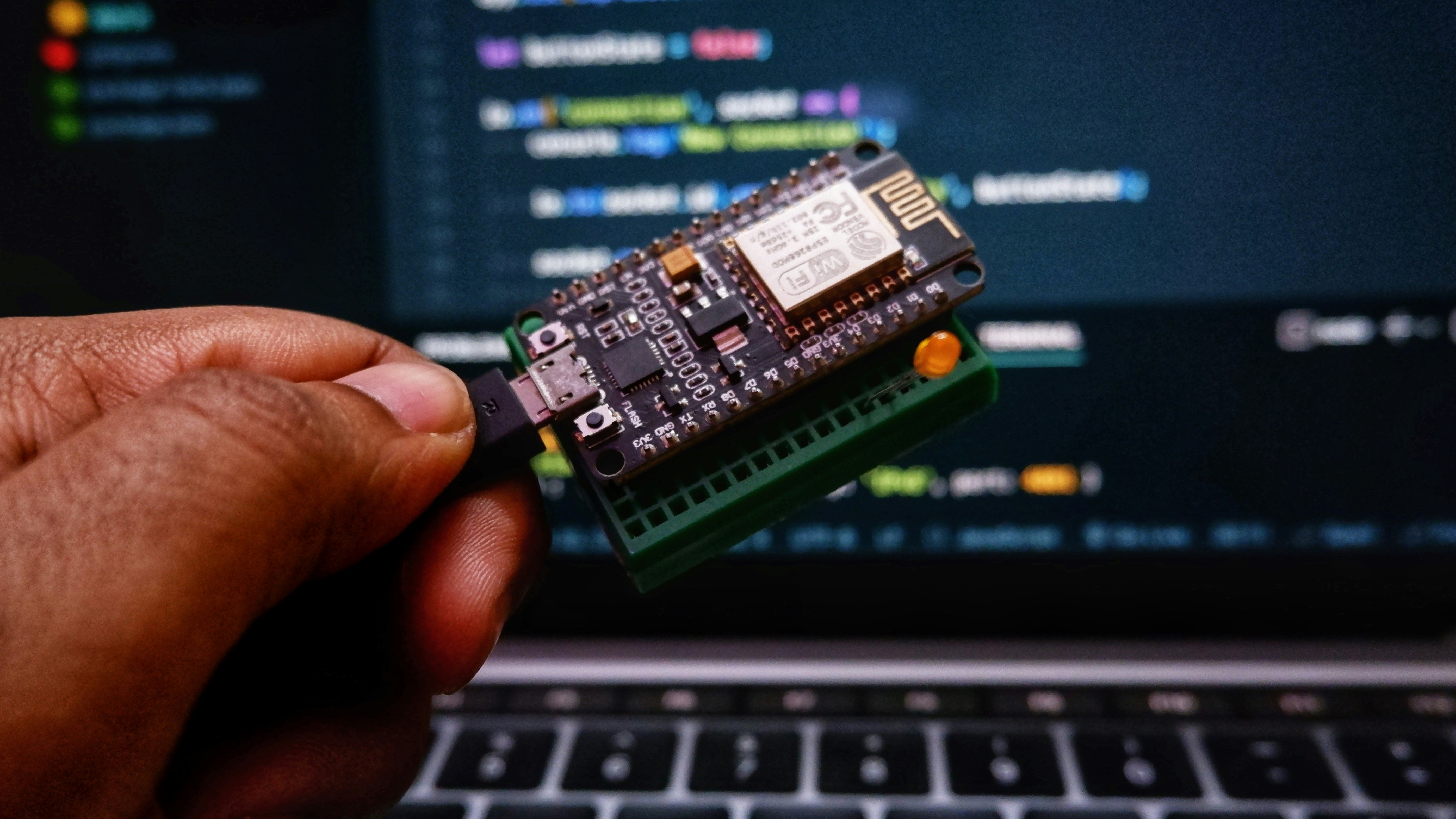
Executive Overview
We combine embedded electronics, sensors, control software, and applied AI to develop functional robotic prototypes and intelligent automation systems.
Hardware-Software Integration Challenge
Bridging physical mechanics, real-time sensor feedback, motor actuation, and power constraints requires multi-disciplinary precision to prevent hardware failures and unstable control loops.
Our Methodical Engineering Approach
We build hardware prototypes with ROS 2 modularity, real-time microcontroller firmware, deterministic sensor calibration, and comprehensive hardware-in-the-loop validation.
Technical Scope
Core Engineering Capabilities
Robotics Concept Development & Prototyping
Translating operational specifications into functional electro-mechanical prototypes and validation testbeds.
Embedded Firmware & Microcontroller Integration
Low-level firmware development for microcontrollers, handling interrupts, timing loops, and hardware peripherals.
Sensor, Motor & Actuator Control
Precision closed-loop motor control, PID tuning, encoder telemetry, and multi-sensor data acquisition.
Mobile Robotics & Rover Platforms
Differential drive, skid-steer, and tracked robotic rover chassis development for indoor and outdoor environments.
Computer Vision & Intelligent Control
Edge-based vision processing for object tracking, obstacle avoidance, fiducial navigation, and lane following.
Hardware-Software Integration & Testing
Physical stress testing, power consumption profiling, signal integrity verification, and field endurance validation.
Tangible Outcomes
What We Deliver
Robotics Proof-of-Concept Prototype
Fully assembled and wired physical prototype demonstrating validated mechanical actuation and sensor feedback.
Embedded Control Firmware
Well-commented C/C++ and MicroPython firmware with peripheral drivers, communication protocols, and safety interlocks.
Hardware Integration Documentation
Schematic diagrams, pinout mappings, power distribution plans, and bill of materials (BOM) documentation.
Functional Testing & Validation Report
Empirical bench testing results, sensor calibration data, control loop performance logs, and operational safety notes.
Tools & Frameworks
Technology Stack
Production-grade toolchains selected for stability, security, and developer maintainability.
Domain Applicability
Industry Applications
Systematic Execution
Our Four-Stage Engineering Process
Technical Discovery & Architecture
Detailed requirement analysis, operational constraints mapping, schema design, and feasibility validation.
Rapid Prototyping & Agile Sprints
Iterative development of functional prototypes and core modules through transparent, documented agile sprints.
Verification, QA & Hardware Testing
Rigorous automated test suites, hardware-in-the-loop stress testing, and security audits to ensure stability.
Handover & Production Handshake
Documented deployment runbooks, source code handover, training, and operational maintenance transition.
Complementary Engineering
Related Services
Enterprise Software, Web & Mobile Platforms
We build and modernize software platforms that support business operations, integrate existing systems, and provide a reliable foundation for long-term growth.
Artificial Intelligence & Intelligent Automation
We design applied AI systems that connect machine learning, language models, computer vision, and automation with practical business workflows.
Connected IoT Systems & Real-Time Telemetry
We develop connected monitoring and automation solutions using sensors, embedded devices, communication protocols, and software dashboards.
Ready to Discuss Your Engineering Requirements?
Connect directly with our engineering leads to review your specifications, architecture questions, or prototype schedule under mutual NDA assurance.